How to Get the Right Size When Shopping Online (and Avoid Costly Returns)
Practical strategies to find your correct size when buying clothes online. Learn measuring techniques, how to read size charts, and insider tips to reduce returns.
The Real Cost of Getting Your Size Wrong
Online clothing returns are a massive problem — for shoppers and the environment alike. Studies show that 30-40% of all online clothing purchases are returned, with "wrong size or fit" being the number one reason. Each return costs retailers an estimated $10-15 in processing, and many returned garments end up in landfill rather than being resold.
But beyond the environmental impact, returns cost *you* time and money. Even with free return shipping, you're spending time repackaging items, printing labels, and waiting for refunds. And if you're shopping internationally, return shipping can cost $20-50 per item.
The good news? With the right approach, you can dramatically reduce your return rate. Here's how.
Step 1: Take Accurate Body Measurements
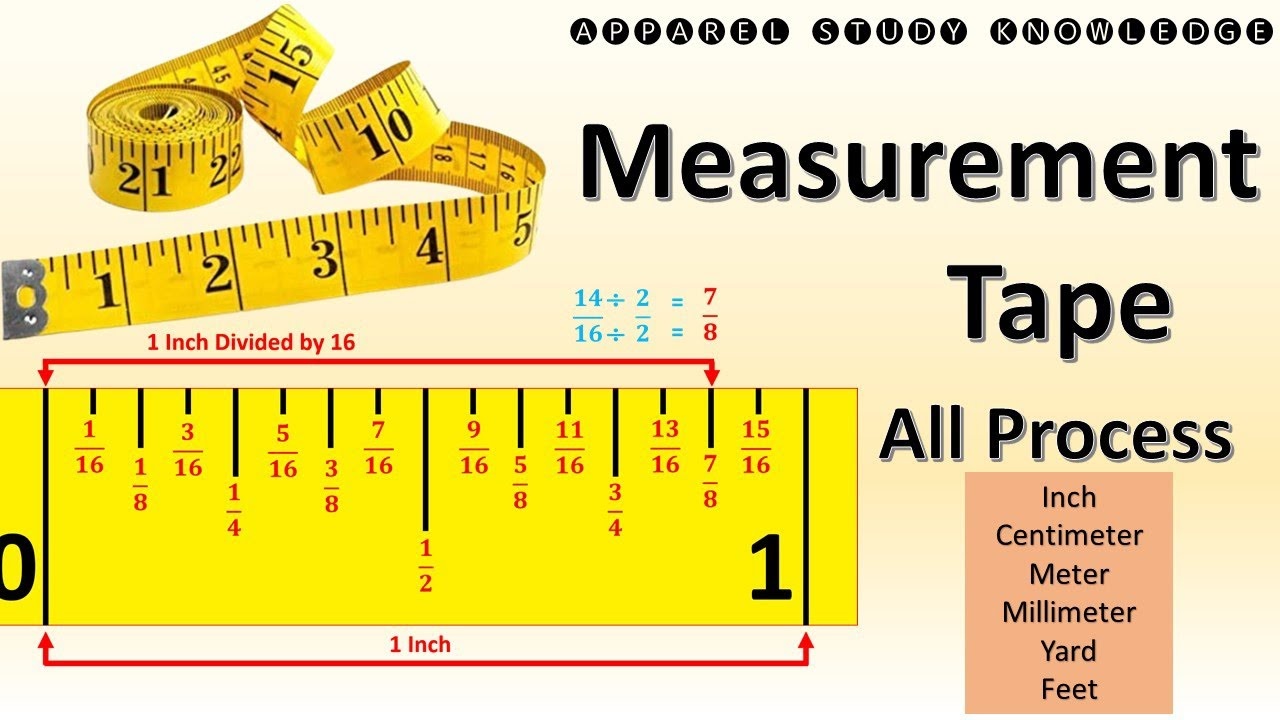
Before you do anything else, you need a reliable set of body measurements. Grab a soft measuring tape (the kind used in sewing, not a metal construction tape) and measure these key points:
For Tops
- Chest/Bust: Measure around the fullest part of your chest, keeping the tape parallel to the floor. Don't pull it tight — you should be able to slip a finger underneath.
- Waist: Measure at your natural waistline, which is the narrowest point of your torso (usually about 1 inch above your navel). Bend sideways — the crease that forms is your natural waist.
- Shoulder width: Measure from the edge of one shoulder bone to the other, across the back. This is especially important for structured garments like blazers and button-down shirts.
- Arm length: From the shoulder point down to your wrist bone, with your arm slightly bent.
For Bottoms
- Waist: Same as above, at the natural waistline.
- Hips: Measure around the widest part of your hips and buttocks, typically 7-9 inches below your natural waist.
- Inseam: From the crotch seam down to the ankle bone. The easiest method: measure a pair of pants that fits you well, from the crotch seam to the bottom hem.
- Thigh: Measure around the fullest part of your upper thigh, right below the crotch.
Pro tip: Take measurements while wearing thin, form-fitting clothing — not over bulky sweaters or loose garments. And measure twice to confirm accuracy.
Step 2: Learn to Read Size Charts Properly
Most online stores provide size charts, but many shoppers either ignore them or misread them. Here's what to understand:
Body Measurements vs. Garment Measurements
This is the most common source of confusion. Body measurement charts tell you which size corresponds to your body dimensions. Garment measurement charts (also called "flat measurements") tell you the actual dimensions of the clothing item.
If a chart says "Chest: 40 inches" as a body measurement, it means someone with a 40" chest should order that size. The actual garment will be 2-4 inches larger to allow for ease of movement (called "ease"). If it says "Chest: 40 inches" as a garment measurement, the physical garment measures 40" across — which means it's designed for someone with a ~37" chest.
Always check which type of measurement the chart uses. It's usually indicated at the top of the chart.
The Flat Lay Method
The most reliable way to shop online is to measure a garment you already own that fits well, then compare those measurements to the online store's garment measurements. Lay your favourite t-shirt flat, measure the chest (pit to pit, doubled), length (shoulder seam to hem), and sleeve length. Now you have a template you can match against any brand's charts.
Step 3: Understand Brand-Specific Sizing Patterns
Not all size "Mediums" are created equal. Here are patterns that experienced online shoppers learn:
- European brands (Zara, H&M, Mango) tend to run 1-2 sizes smaller than American brands. If you're a US 8, you might be a 10 or 12 in European sizing.
- Japanese and Korean brands (Uniqlo, Muji) typically run smaller and shorter. Size up, especially if you're taller than 5'8".
- Heritage American brands (Gap, J.Crew, Lands' End) tend to be generous — some call it vanity sizing. A Medium might fit more like a Large in other systems.
- Athletic/activewear brands (Nike, Under Armour, Adidas) vary by category. Their performance lines tend to be more true to size, while lifestyle/casual lines may run larger.
Step 4: Use Technology to Your Advantage
Modern tools can help you shop smarter:
- Size conversion tools like our Size Converter can help you translate between brand sizing systems so you know your size before you buy.
- Review sections are gold mines. Look for reviews that mention the reviewer's height, weight, and what size they ordered. Many stores now include "What size did you purchase?" in their review prompts.
- AR try-on features are improving rapidly. Brands like ASOS, Nike, and Warby Parker offer virtual try-on tools that can give you a rough idea of fit.
- Customer service chat — most online stores have live chat. Don't hesitate to ask "I'm 5'10", 170 lbs with a 38" chest — what size do you recommend in [specific item]?" Brand representatives know their sizing better than any chart.
Step 5: Strategic Shopping Habits
- Buy two sizes and return one. Yes, it sounds counterintuitive, but if a store offers free returns, ordering your likely size plus one size up or down guarantees you'll keep the right one. It's cheaper than multiple return shipments.
- Order during sales, but check return policies. Some stores have stricter return windows on sale items, or may only offer store credit instead of refunds.
- Save your measurements for each brand. Keep a note on your phone: "Nike: M tops, 32/32 pants. Zara: L tops, 42 pants." Over time, you build a personalised size database that makes future shopping effortless.
- Look at the model's measurements. Many online stores now list the model's height, size worn, and sometimes body measurements. This gives you a real-world reference point that a size chart alone can't provide.
With these strategies, you should be able to cut your online shopping return rate significantly. For quick size conversions between brands, our Size Converter is always here to help.
Related Articles
Nike vs Adidas Sizing: Complete Comparison Guide 2026
Compare Nike and Adidas clothing and shoe sizes side-by-side. Learn the key differences in fit, sizing charts, and how to convert between both brands.
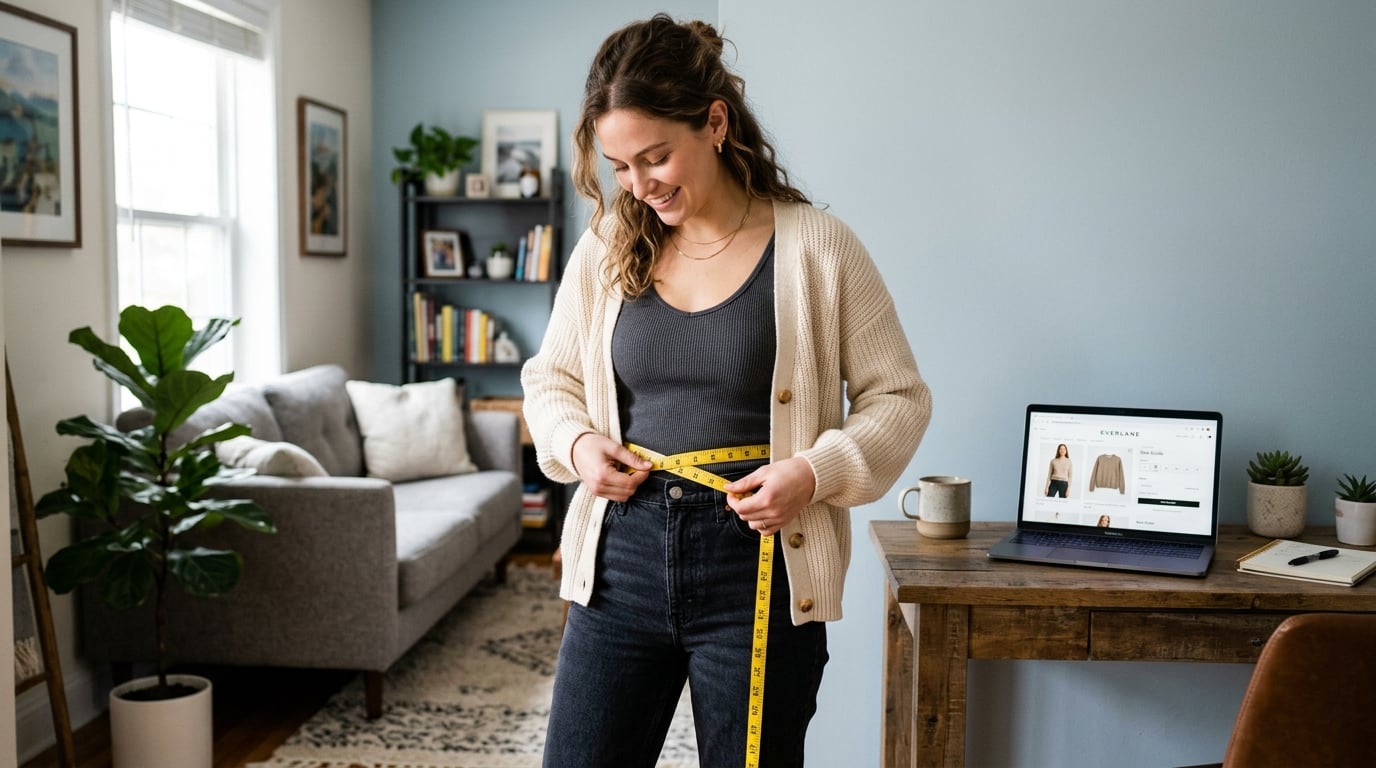
How to Measure Yourself for Online Clothes Shopping
Step-by-step guide to taking accurate body measurements at home. Stop guessing your size and reduce returns when shopping online.
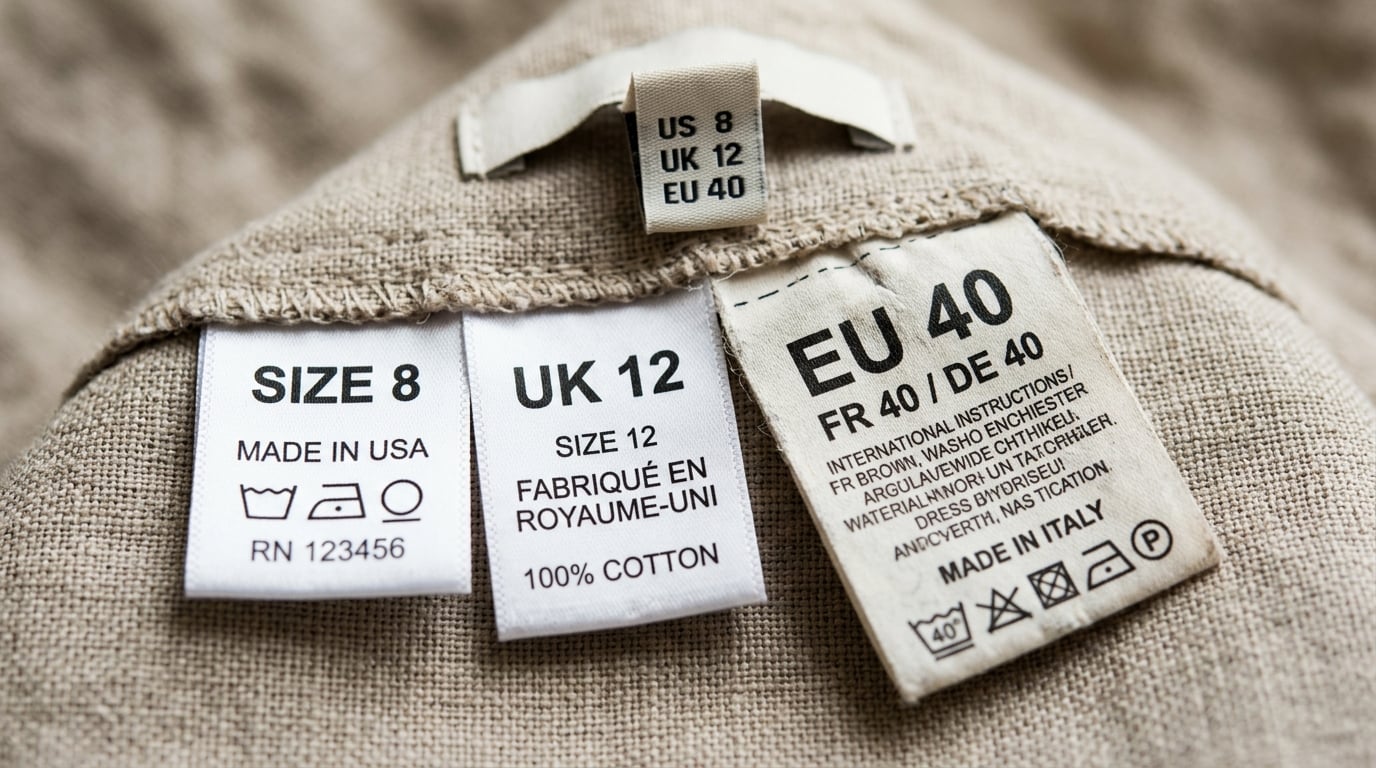
International Clothing Size Conversion Charts 2026
Complete US, UK, and EU clothing size conversion tables for men, women, and kids. Updated for 2026 with all major sizing standards.