How to Measure Yourself for Online Clothes Shopping
Step-by-step guide to taking accurate body measurements at home. Stop guessing your size and reduce returns when shopping online.
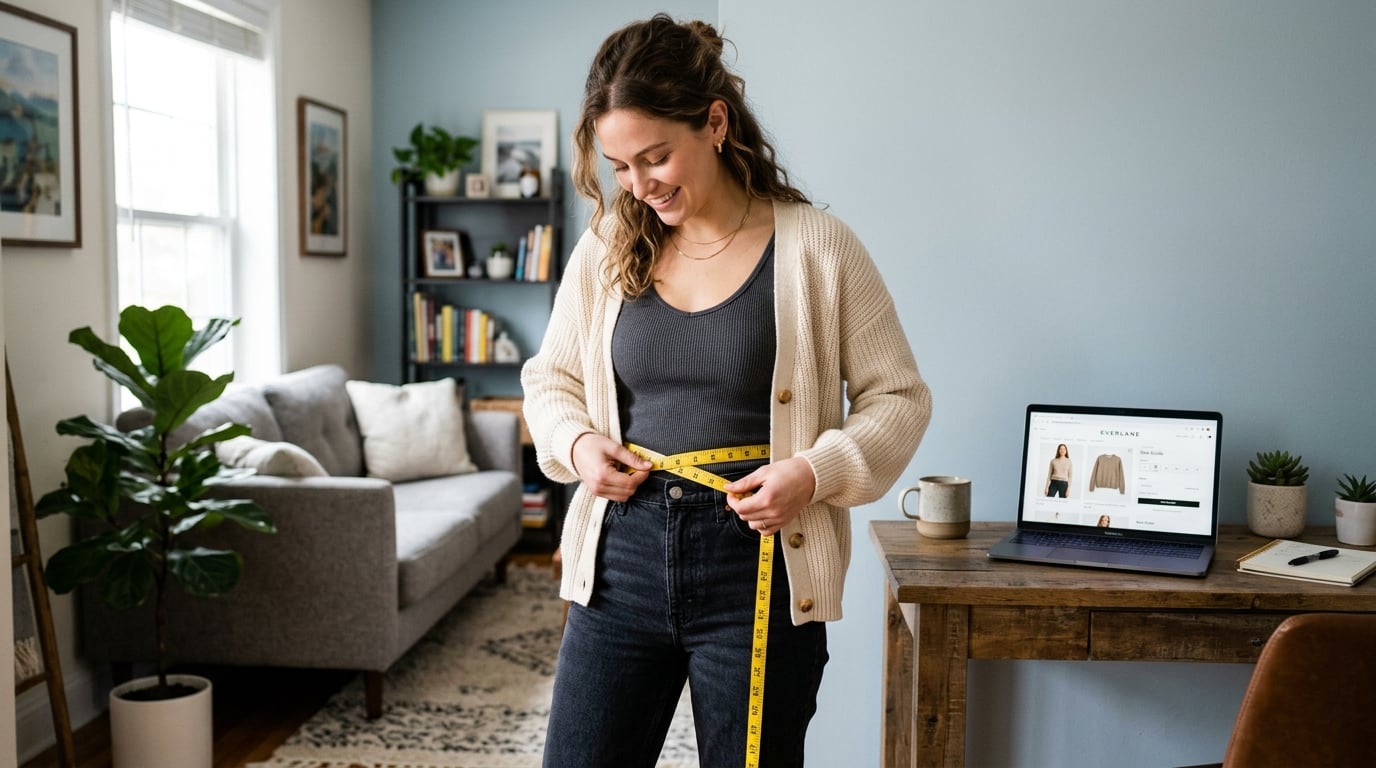
Why Accurate Measurements Matter
According to industry data, approximately 30% of all online clothing purchases are returned due to sizing issues. That's a staggering amount of wasted time, shipping costs, and environmental impact. The solution? Knowing your exact measurements.
What You'll Need
- A flexible measuring tape (fabric or tailor's tape)
- A mirror (or a friend to help)
- A notepad or your phone to record measurements
- Lightweight, fitted clothing (or measure over underwear)
The 5 Essential Measurements
1. Chest/Bust
Wrap the measuring tape around the fullest part of your chest, keeping it level across your back. Don't pull too tight — you should be able to fit one finger between the tape and your body.
Pro tip: For women, measure while wearing a non-padded bra for the most accurate result.
2. Waist
Measure at your natural waistline — the narrowest point of your torso, typically about an inch above your belly button. Breathe normally and don't suck in your stomach.
Pro tip: Tie a string around your waist and let it naturally settle into your waistline crease. Measure there.
3. Hips
Stand with feet together and measure around the fullest part of your hips and buttocks. The tape should be parallel to the floor.
4. Inseam
Measure from your crotch to the bottom of your ankle bone. Alternatively, measure a pair of pants that fit well from the crotch seam to the hem.
Pro tip: Stand straight and have someone else take this measurement for best accuracy.
5. Foot Length
Stand on a piece of paper and trace around your foot. Measure the longest distance from heel to toe. Do this for both feet — they're often slightly different sizes.
Common Measurement Mistakes to Avoid
- Measuring over bulky clothing — This adds 1-2 inches and throws off your size
- Pulling the tape too tight — Your clothes need room to move
- Measuring while slouching — Stand up straight with arms at your sides
- Only measuring one side — Your body isn't perfectly symmetrical
- Using a rigid ruler — Always use a flexible measuring tape
What to Do With Your Measurements
Once you have your measurements:
- Compare against brand size charts — Each brand has different size ranges. Visit our Size Charts page for brand-specific measurements.
- Use a converter for cross-brand shopping — Our Size Converter lets you translate your known size in one brand to another.
- Keep a measurement record — Your measurements can change, so re-measure every 6 months.
- When between sizes, size up — It's easier to tailor something down than to stretch something out.
Brand-Specific Measurement Tips
- Nike/Adidas: Athletic brands tend to have more room. If your measurements fall between sizes, the smaller size may work.
- Zara/H&M: Fast-fashion brands often run smaller. When in doubt, size up.
- Levi's: Denim sizing is unique — waist measurements are often vanity-sized by 1-2 inches.
For detailed measurement instructions with visual guides, check out our comprehensive Body Measurement Guide.
Related Articles
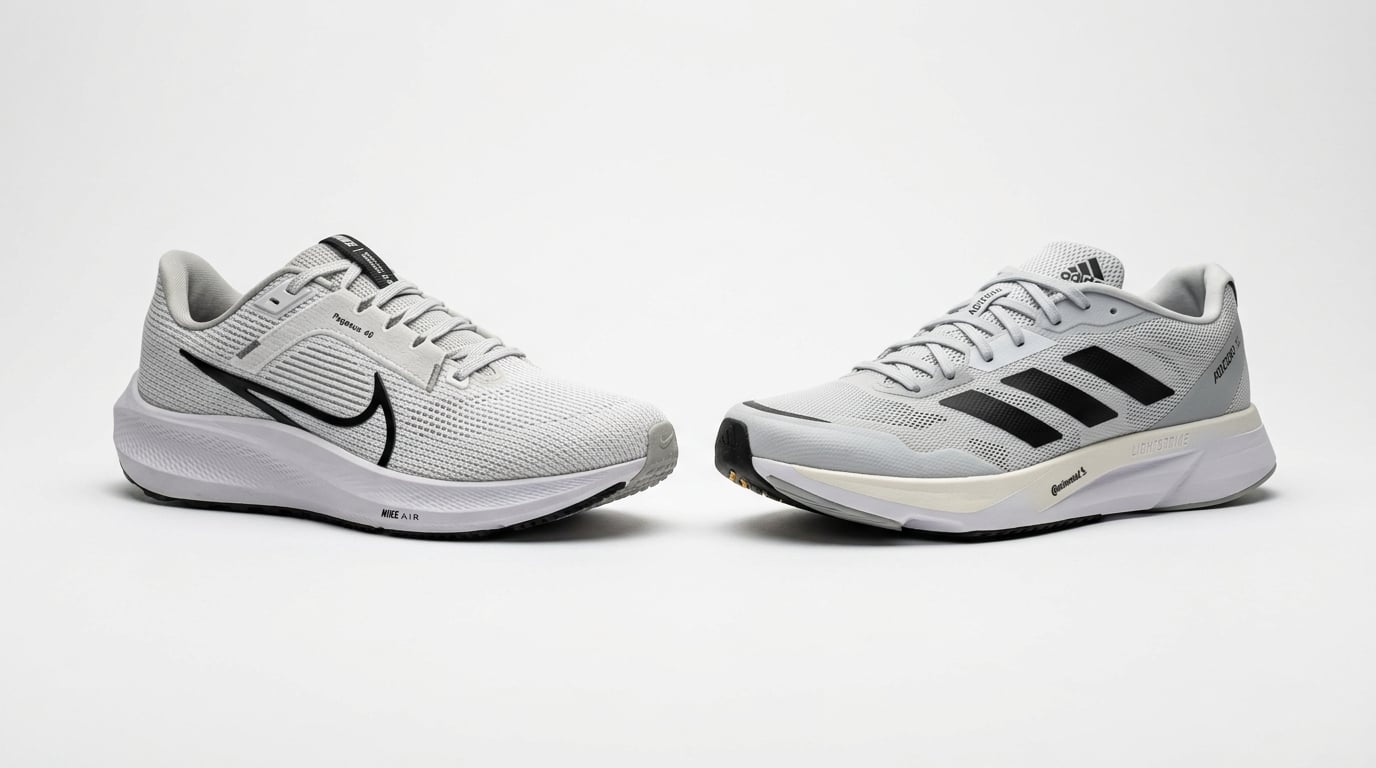
Nike vs Adidas Sizing: Complete Comparison Guide 2026
Compare Nike and Adidas clothing and shoe sizes side-by-side. Learn the key differences in fit, sizing charts, and how to convert between both brands.
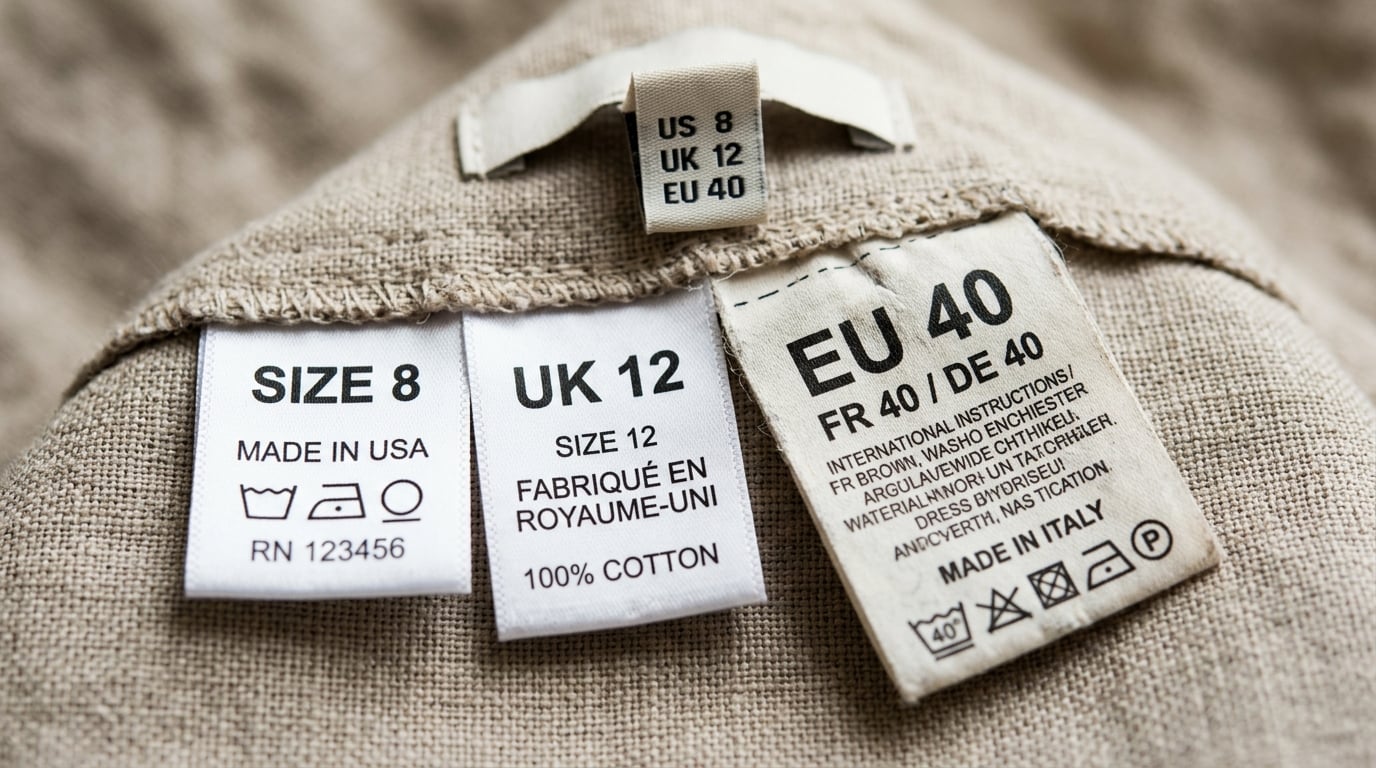
International Clothing Size Conversion Charts 2026
Complete US, UK, and EU clothing size conversion tables for men, women, and kids. Updated for 2026 with all major sizing standards.
Zara Sizing Guide: Does Zara Run Small? Tips for 2026
Everything you need to know about Zara sizing. Learn whether Zara runs small, how to pick the right size, and how Zara compares to H&M, Nike, and other brands.