Kids' Clothing Size by Age: Complete Guide for Parents (Newborn to Teen)
Navigate children's clothing sizes with confidence. Age-to-size charts for newborn through teen, plus tips for buying clothes that actually fit growing kids.
Why Kids' Clothing Sizes Are So Confusing
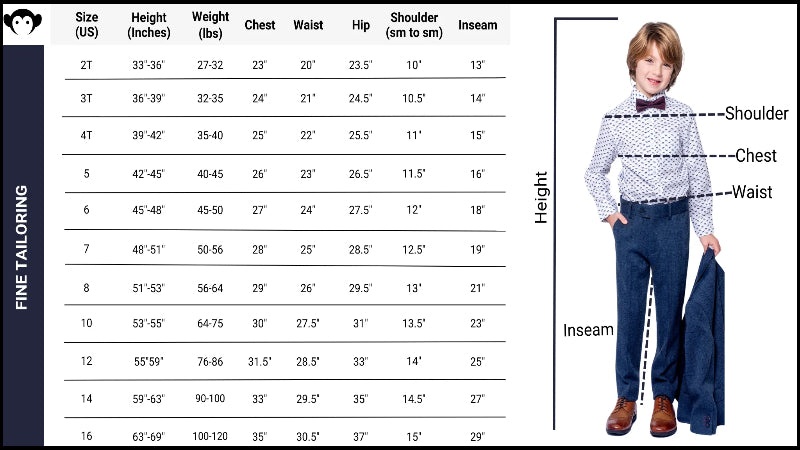
If you've ever bought clothes for a child, you know the frustration: your 3-year-old might wear size 2T in one brand, size 4 in another, and 98cm in a European label. Children's clothing sizing is arguably more inconsistent than adult sizing, because it's based on age ranges — and children of the same age can vary enormously in height and weight.
A study by the American Society for Testing and Materials found that children's body measurements at any given age can vary by up to 30% between the 5th and 95th percentiles. That means two perfectly healthy 5-year-olds might differ by 6 inches in height and 15 pounds in weight. No single size chart can account for this range perfectly.
So how do you navigate this? Start by understanding the systems, then develop a strategy based on your child's actual measurements rather than their age.
The Three Main Sizing Systems
US Sizing
American children's clothing uses age-based sizing with these general categories:
- Newborn/Infant: Newborn, 0-3M, 3-6M, 6-9M, 9-12M, 12-18M, 18-24M
- Toddler: 2T, 3T, 4T, 5T (the "T" stands for "Toddler")
- Little Kids: 4, 5, 6, 6X/7
- Big Kids: 7, 8, 10, 12, 14, 16
The toddler (T) sizes differ from little kids sizes even when the number matches. A 4T is cut differently from a size 4 — toddler sizes have more room for diapers and a higher waist, while kid sizes assume a slimmer, longer body.
European Sizing (CM-Based)
European brands use height in centimetres as the size label. This is arguably the most logical system:
- Size 56 = designed for a baby ~56cm (0-1 month)
- Size 80 = designed for a child ~80cm tall (12-18 months)
- Size 104 = designed for a child ~104cm tall (3-4 years)
- Size 140 = designed for a child ~140cm tall (9-10 years)
The advantage of the EU system is that if you know your child's height, you can select the right size directly. The disadvantage is that it doesn't account for weight or build — a child who is 110cm but stocky might need 116 for the width.
UK Sizing
British children's sizing uses age ranges similar to the US but with different number schemes for older children. Up to age 2, it mirrors the US month-based system. From age 3 onward, UK sizes roughly match the child's age: size 3-4 years, 4-5 years, etc.
Age-to-Size Quick Reference
| Age | US Size | EU Size (cm) | UK Size | Height Range |
|---|---|---|---|---|
| 0-3 months | 0-3M | 56-62 | 0-3M | 56-62cm |
| 3-6 months | 3-6M | 62-68 | 3-6M | 62-68cm |
| 6-12 months | 6-12M | 68-80 | 6-12M | 68-80cm |
| 12-18 months | 12-18M | 80-86 | 12-18M | 80-86cm |
| 18-24 months | 18-24M / 2T | 86-92 | 18-24M | 86-92cm |
| 2-3 years | 2T-3T | 92-98 | 2-3 yrs | 92-98cm |
| 3-4 years | 3T-4T | 98-104 | 3-4 yrs | 98-104cm |
| 4-5 years | 4-5 | 104-110 | 4-5 yrs | 104-110cm |
| 5-6 years | 5-6 | 110-116 | 5-6 yrs | 110-116cm |
| 6-7 years | 6-6X | 116-122 | 6-7 yrs | 116-122cm |
| 7-8 years | 7-8 | 122-128 | 7-8 yrs | 122-128cm |
| 8-9 years | 8-10 | 128-134 | 8-9 yrs | 128-134cm |
| 9-10 years | 10 | 134-140 | 9-10 yrs | 134-140cm |
| 10-12 years | 10-12 | 140-152 | 10-11 yrs | 140-152cm |
| 12-14 years | 14 | 152-164 | 12-13 yrs | 152-164cm |
Practical Tips for Parents
1. Always Measure, Never Assume by Age
The single most important rule: measure your child's height and weight regularly and compare to the brand's size chart, not the age label. A tall, lean 4-year-old might wear a size 6 in tops and a 4T in pants (for the waist). Mixing sizes across categories is completely normal.
2. Buy Ahead, But Not Too Far Ahead
It's tempting to stock up on larger sizes during sales, but children's growth is unpredictable. A good rule of thumb:
- Under age 2: Buy no more than one size ahead. Babies grow in unpredictable spurts.
- Ages 2-5: You can safely buy 1-2 sizes ahead for the following year, especially for things like winter coats that need room for layering.
- Ages 6+: Growth slows down and becomes more predictable. You can plan further ahead, but still check measurements rather than guessing.
3. Know When to Size Up vs. Down
- For everyday play clothes: Size up. Slightly loose clothes are more comfortable for active kids.
- For swimwear: Size down or buy true to size. Loose swimwear can be a safety hazard.
- For winter outerwear: Size up to accommodate layers underneath.
- For formal or occasion wear: Buy true to size for a polished look. These garments are typically worn infrequently, so you don't need to buy for growth.
4. Brand-Specific Quirks for Kids
- Carter's / OshKosh: Tends to run slightly large. Many parents find they can buy true to age.
- Gap Kids: Runs slightly long and lean — great for tall, slim kids.
- H&M Kids: Runs true to EU sizing, which can feel small for American parents used to generous US sizing.
- Zara Kids: Notoriously runs small. Size up one, sometimes two sizes.
- Nike / Adidas Kids: Athletic brands tend to be true to size, but shoes run about 0.5 size large.
5. The Adjustable Waistband Trick
For pants, look for brands that offer adjustable waistbands with internal elastic and buttons. Brands like Gap, Lands' End, and many European labels include this feature, allowing you to cinch the waist for a slimmer child while the length fits properly. This is especially useful for kids who are tall but slim.
For brand-by-brand kids' size conversions, use our Size Converter to find the right fit across different labels.
Related Articles
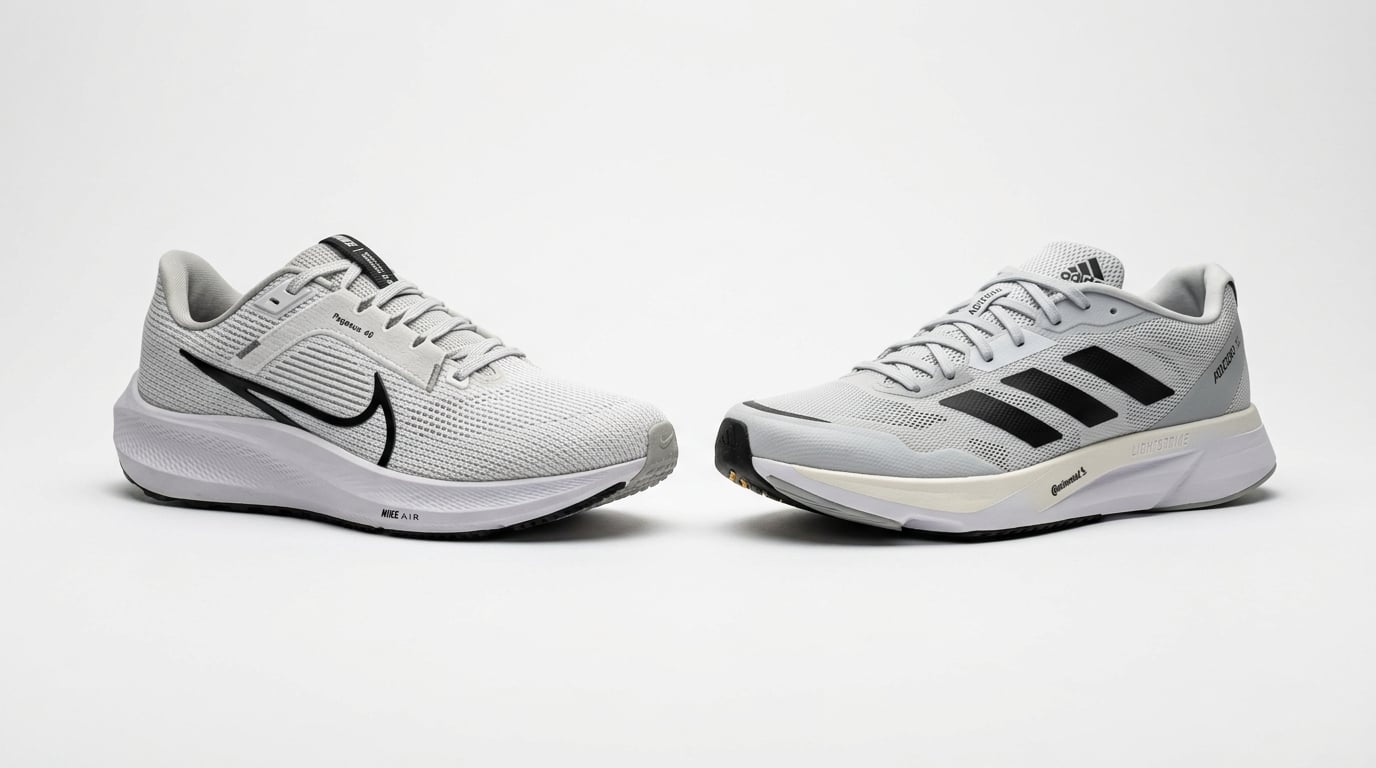
Nike vs Adidas Sizing: Complete Comparison Guide 2026
Compare Nike and Adidas clothing and shoe sizes side-by-side. Learn the key differences in fit, sizing charts, and how to convert between both brands.
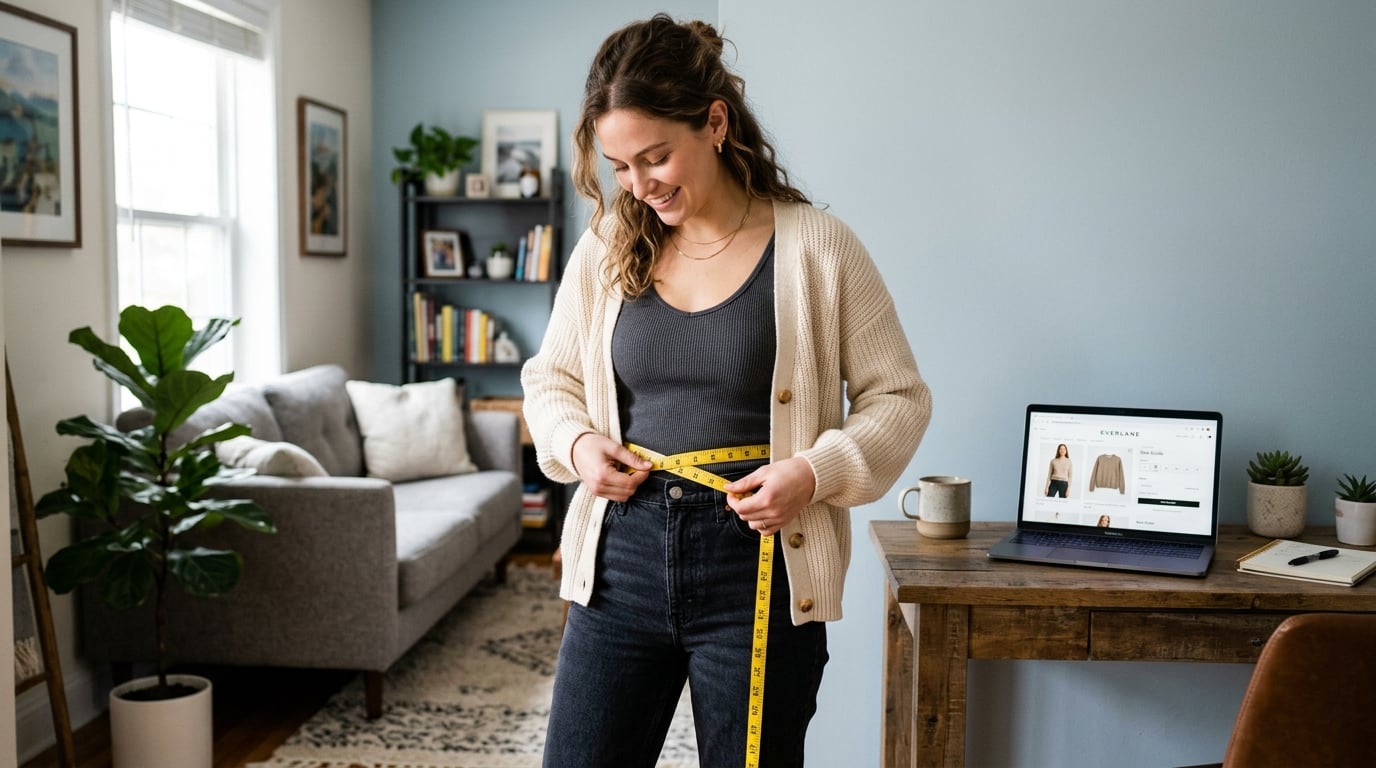
How to Measure Yourself for Online Clothes Shopping
Step-by-step guide to taking accurate body measurements at home. Stop guessing your size and reduce returns when shopping online.
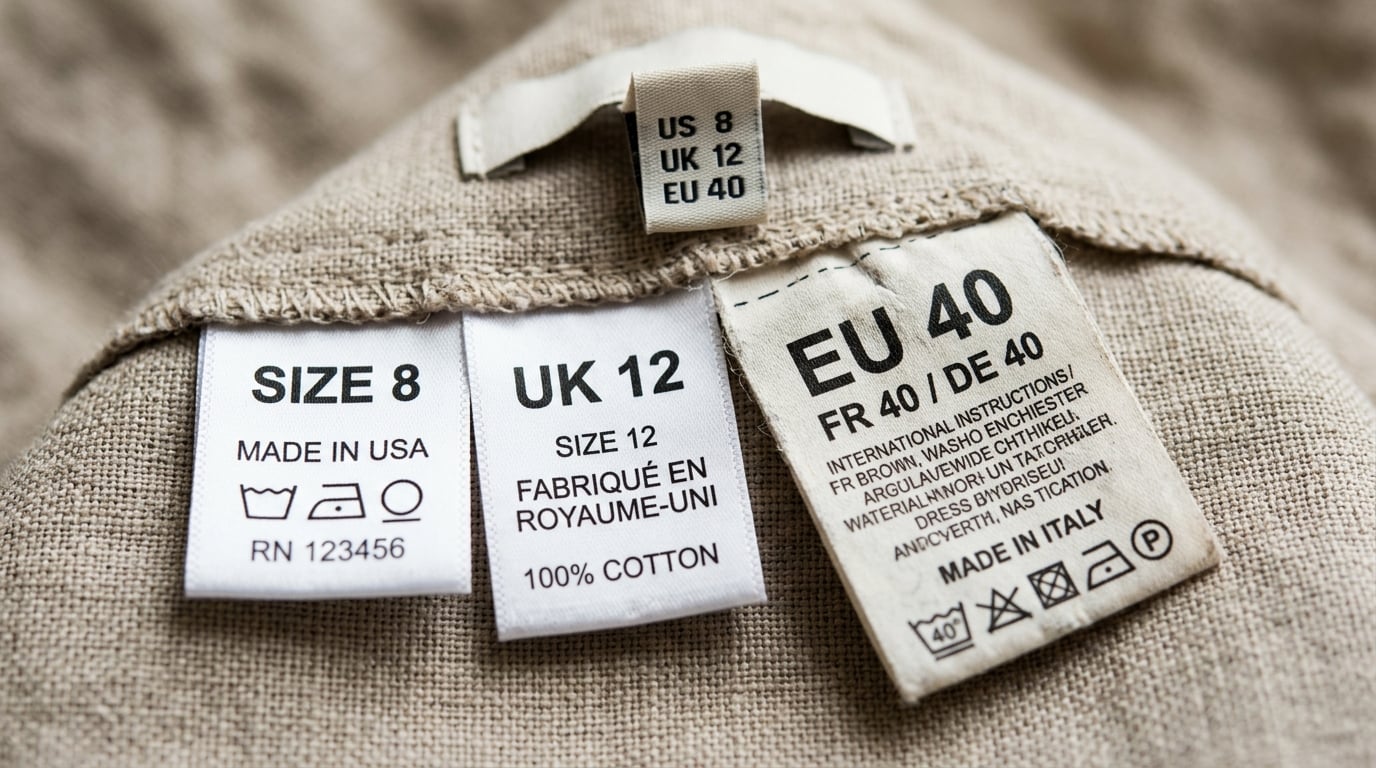
International Clothing Size Conversion Charts 2026
Complete US, UK, and EU clothing size conversion tables for men, women, and kids. Updated for 2026 with all major sizing standards.